A later evening in the shop—not an official story quest.
This is the second original Miki-and-Jun story, following The Bowl Nobody Served. We imagine their shop at Level 15, with the Ticket Machine, self-service water and Karaage equipment available under the published unlock rules. Their conversations, mistakes and resolution are fiction. The game’s features are sourced separately; no number of sessions needed to reach that level is claimed.
The shift below is an original, fictional illustration of the game’s management loop. Its dialogue, mishaps and outcome are invented. It is not an official quest, a transcript, or a claim that we played this session. Official game facts are identified in the opening and source notes.
1. The machine that would give them time
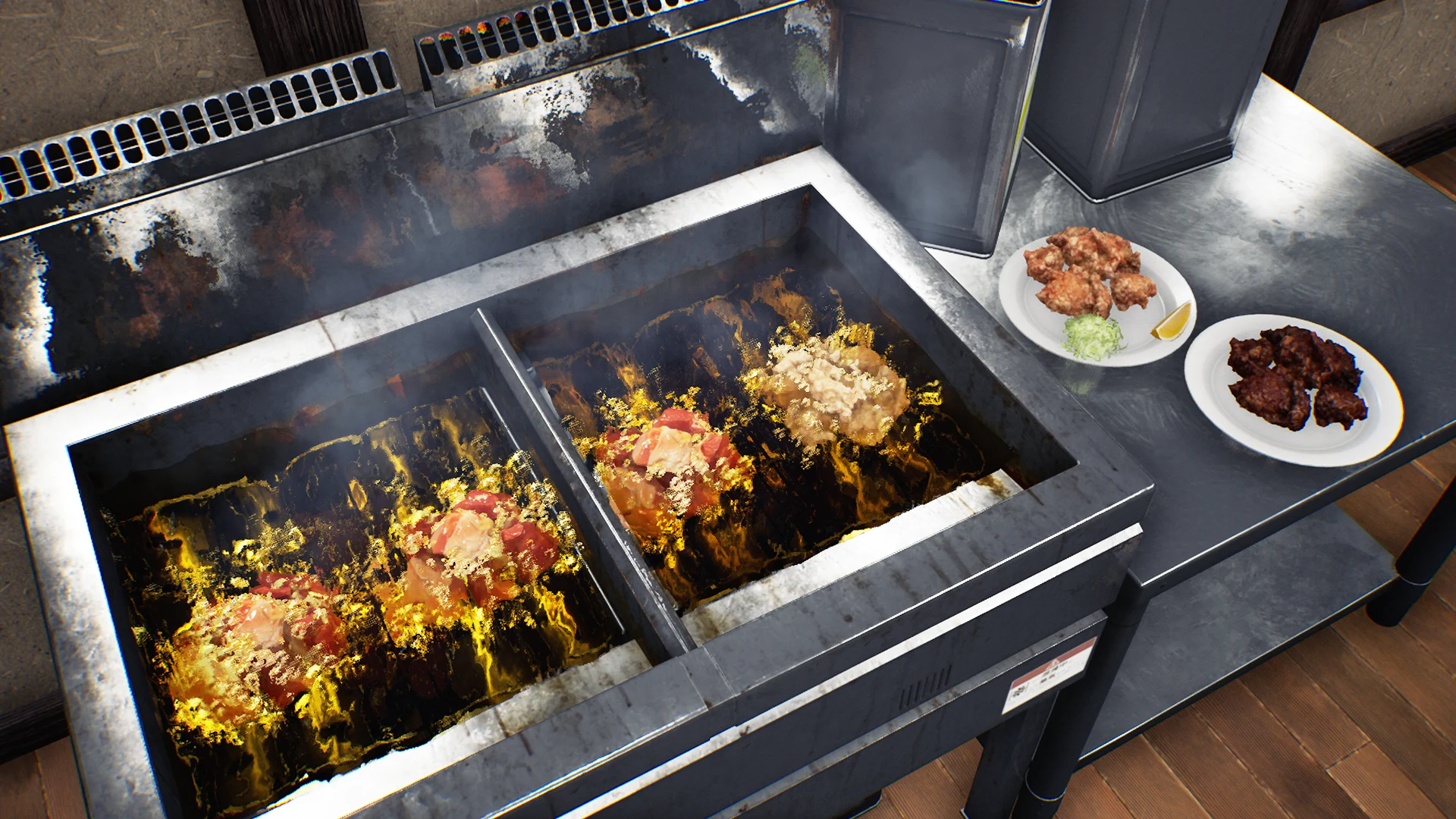
The fryer occupied the corner where Jun used to leave a box he kept promising to move. He stood in front of it with the pleased silence of someone whose purchase had finally become a thing in the room. Miki circled behind him, trying to see where the plates would go.
“Now we can offer something proper on the side,” he said.
She looked at the equipment, then at the nearby counter. “We already offered food.”
“You know what I mean.” He did not mean to dismiss her bowls. She did not mean to sound offended by the purchase. But they had both arrived wanting a reward for how much better the first shop had become, and each had pictured a different reward.
In this imagined later session, their shop had reached Level 15. The new fryer, chicken, oil and plates were available; the Ticket Machine and water dispenser had arrived earlier in their plan. This was not their second literal day of play, and the story offers no levelling shortcut. It was simply the next evening worth telling.
2. A little less to do
Miki had chosen a new colour for the entrance noren before they opened. She wanted the room to feel calmer when seen from the doorway. Jun said he liked it, then turned back to the fryer without asking which shade she had rejected. She told herself that did not matter.
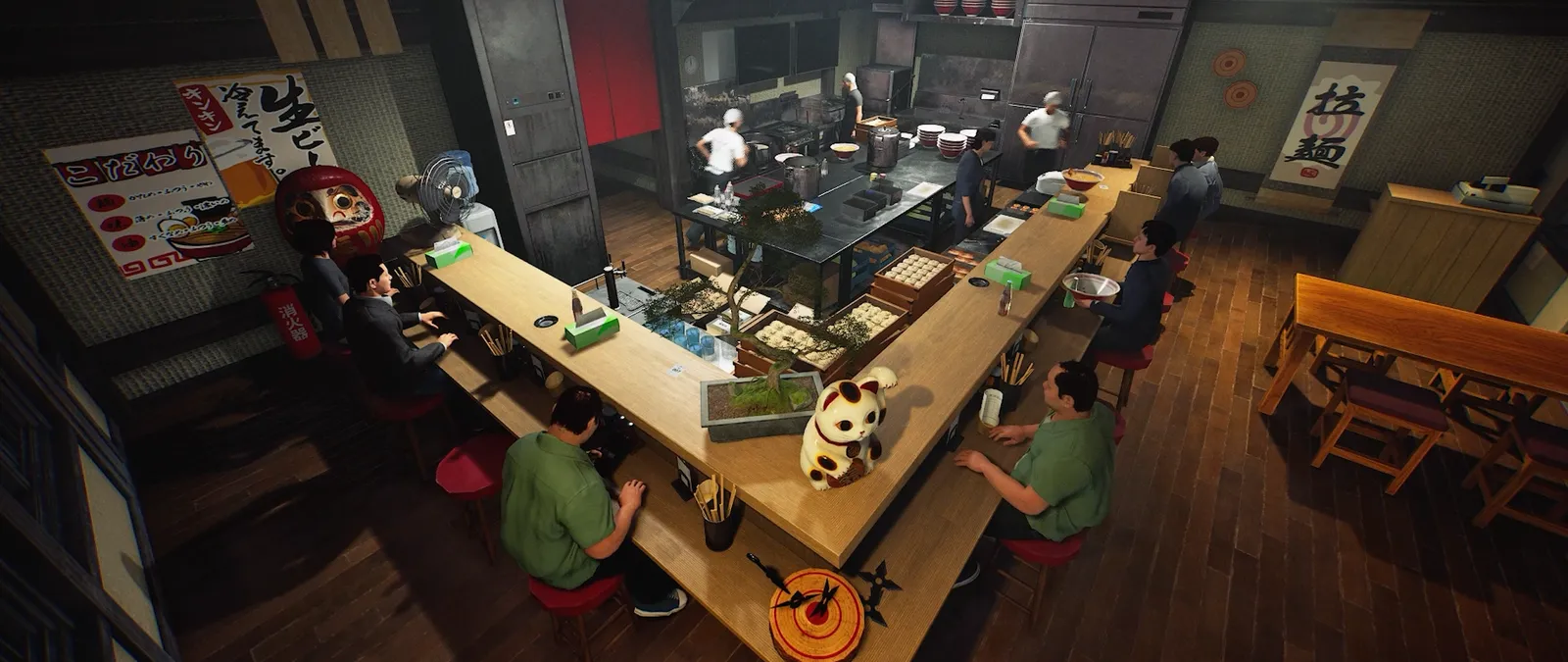
The Ticket Machine could handle ordering. Customers could get their water from the dispenser if cups were supplied. Jun looked around at these small pieces of help and said, “You should have a little less to do now.”
He meant: perhaps you can enjoy the evening. Miki heard: your old job is disappearing.
“Then I will make everything look right,” she said. She adjusted the space near the counter, glanced at the entrance and left Jun to work out his new station. He heard confidence in her answer and assumed she had the front of the shop covered. Neither noticed that they were using the same old habit in a newly equipped room: letting a kind intention stand in for an actual agreement.
3. The order with nowhere to finish
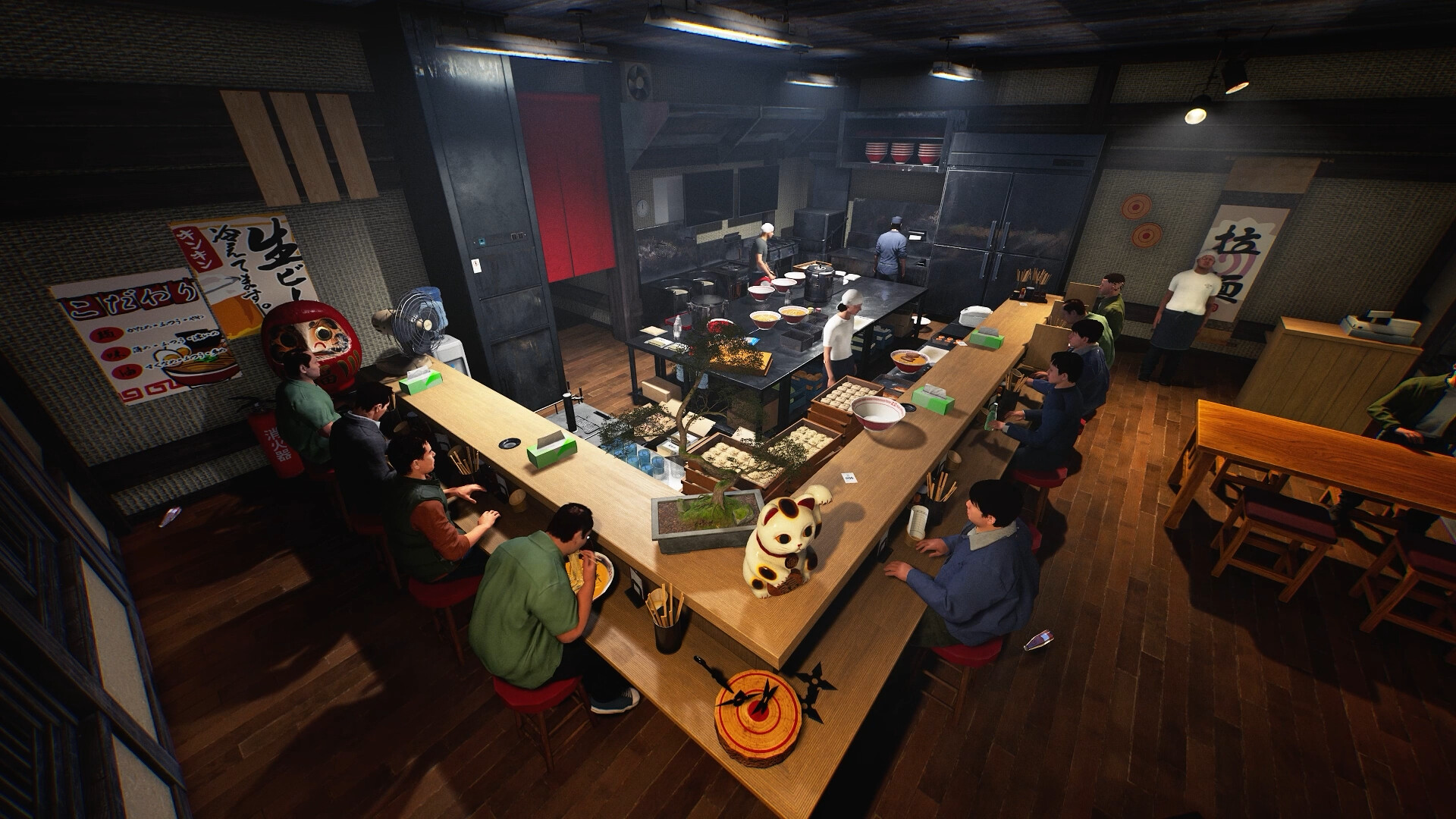
Their first imagined meal with Karaage made the kitchen feel larger than it was. Jun had a side to prepare and somewhere new to stand; Miki had ramen to finish. They used the sentence they had learned the hard way: what was ready, what was missing, who had it.
For a while it worked. Then Miki reached for the next part of the handoff and found the space occupied by dishes returning from a customer. She had noticed finished tableware earlier in the meal and brought it back, pleased to keep ahead of the cleanup. Jun had reserved that same patch of worktop for his plated side.
“I need somewhere to finish this,” he said.
“I was clearing space for you.”
“On my space?”
The phrase came out sharper than he intended. Miki stopped with the next object still in hand. In the first story, an unowned side had waited between them. Now both were working, both were trying to help, and their help had arrived at the same destination.
This time she did not answer immediately. She set down what she was holding where it belonged and asked which part of the meal still needed attention. That stopped the order from turning into a second argument. It did not settle the feeling underneath.
4. The empty cup
A little later, Miki checked the water dispenser’s cups. In our story, the remaining supply was lower than she expected. She had treated the dispenser as a job completed when they installed it; Jun had treated it as part of the front-of-house routine she already understood.
She replenished it without calling him over. Then she returned to the kitchen and said, “It still needs us.”
“The fryer?”
“The shop.”
He looked up. She was not arguing against the equipment. She liked customers being able to get water. She liked having fewer interruptions. What she disliked was the idea that the parts of the evening she noticed—cups, used dishes, where the next tray would land—became invisible precisely when she handled them well.
Jun wanted to explain that cooking the new side was work too. Then he realised she had not said it was easy. She had asked him to notice work that did not announce itself with a new appliance.
“If it is somebody’s job, say whose. If it is nobody’s job, it will wait for both of us.” — original fictional dialogue
5. What the new equipment could not decide
There was no pause button for their conversation to freeze the shared shop. The published November pause change applies to solo play, not multiplayer. In the fiction, they kept the conversation short enough to keep working: Jun took responsibility for the fryer supplies and oil check; Miki took cups and the final order check. They chose a separate return place for used dishes.
“And the curtain?” he asked.
She looked towards the entrance. “That is not a problem you need to solve.”
“I meant, which colour did you choose?”
The question was small enough that she could answer it without defending herself. She told him why the warmer shade looked better beside the counter. He listened for the whole answer. Then he asked her to check where the fryer plates would be easiest to recognise among the other dishes.
Their new agreement did not assign one person all the interesting work and the other everything left over. It made the necessary jobs visible, and left room for both people to care about the look of a bowl or a room. They did not need to pretend that equipment had no value to admit that it had not written their division of work for them.
6. A different kind of upgrade
The next time a meal waited, Jun named the component before Miki asked. The next time she carried used dishes back, she used the place they had agreed on. These were not spectacular victories. Nobody acquired a trophy for remembering where a plate should go.
Later, she watched a completed meal leave the counter and noticed something she had missed at the start: the new equipment had given them choices, not a finished routine. They could spend that choice on a wider menu, an easier handoff, or simply an evening with fewer moments of guessing. They had to choose together.
Jun asked if the shop felt more like hers now. Miki shook her head, and his face fell before she finished.
“More like ours.”
Beside her keyboard, the old note still said what is ready, what is missing, who has it. Beneath Jun’s question—what comes back?—she added another: what needs refilling?
Before they stopped playing, he looked once more towards the entrance. The curtain was still only a colour choice, with no claimed rating bonus or secret mechanic. But he could now tell her why she had chosen it. That was the part of the evening neither machine could have done for them.
After the story: keep the real mechanics straight
The published unlocks are Level 12 for the Ticket Machine, Level 14 for self-service water and Level 15 for Karaage equipment and supplies. The dispenser needs cups; fryer oil becomes dirty with use and needs replacing. Those requirements informed the scene. The characters’ menu, room arrangement and emotional responses did not come from a patch note.
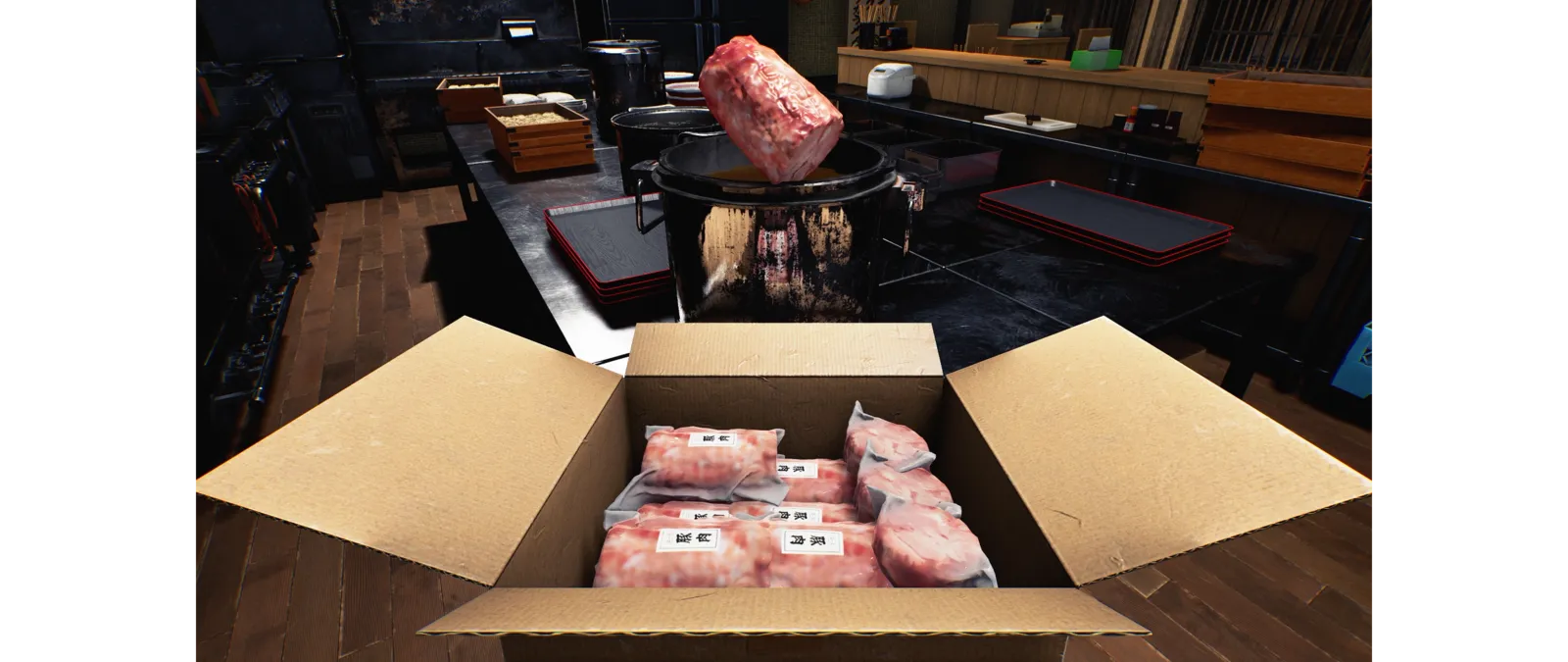
Finished individual dishes and empty bottles can be collected before the whole meal ends. A tray still has a condition: it must no longer hold food or other items the customer is consuming. Our story uses earlier dish collection as a cause of a handoff problem; it does not invent a new eligibility rule or claim that every tray can immediately be removed.
For your own shop, try writing an owner next to each repeating check: oil, cups, complete order and dish return. Then ask whether the arrangement gives everybody a part of the session they enjoy. Use the linked practical guides for the current mechanics. This is a way to organise play, not a measured recipe, efficiency benchmark or official mission.
Story, progress and endings: the questions that matter
Is this an official story mission?
No. Miki, Jun and the events are original fiction. The source notes identify the real systems used as the setting.
Is the second shift literally the second business day?
No. This is a sequel set in a later Level 15 shop. No number of days or sessions to reach that level is established.
Can I pause a co-op game to reorganise?
The November pause-menu change applies to solo gameplay and explicitly excludes multiplayer.
What should I read first?
The Bowl Nobody Served introduces the pair and their first missed handoff. This sequel can also be read on its own.
Sources, version and editorial scope
Updated 9 November 2026 from Wild Dog’s 6 November mini update, v0.1.74.19895, 5 November content update, v0.1.73.19851, and 30 October networking and staff update. These are developer-reported changes; our suggested routines are editorial advice.
Earlier feature and background sources: Wild Dog’s 28 October update, v0.1.63.19293, the official Steam store description and the developer’s game overview. The patch text was retrieved from the official Steam news API; its publication timestamp is 28 October, 12:11 UTC.
The game premise and named systems above come from these sources. The fictional narrative and reflection prompts are our own fiction and commentary. We found no description of a fixed campaign plot, chapter count or scripted ending in these sources; that is a limit of the evidence, not proof that no narrative content can exist. Send a correction with a source and build.