
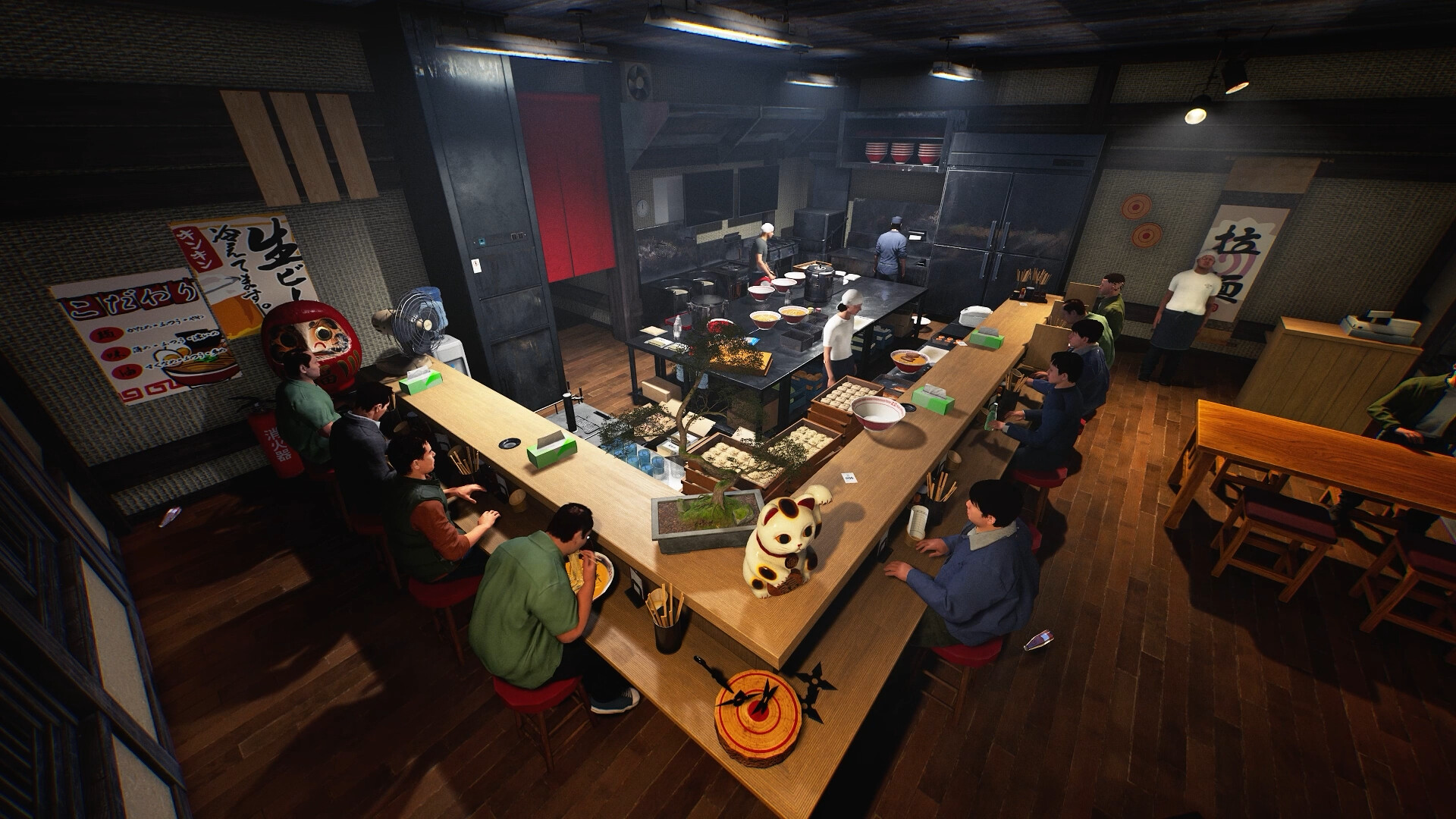
A restaurant sim with room for stories of your own.
Japanese Ramen Simulator is Wild Dog’s cooking and restaurant-management game for solo play or up to six online players. Its documented loop joins preparation, service, cleanup and shop growth. The official sources reviewed here do not describe a fixed campaign plot or scripted ending. The story below imagines one first shift inside that setting; Miki, Jun and their dialogue are our original fiction.
The shift below is an original, fictional illustration of the game’s management loop. Its dialogue, mishaps and outcome are invented. It is not an official quest, a transcript, or a claim that we played this session. Official game facts are identified in the opening and source notes.
The game behind the story
You are running a ramen restaurant, not following a hero through a verified sequence of story chapters. The Steam description and Wild Dog’s overview describe preparing ingredients, cooking, serving, cleaning, changing the menu and shaping the shop. Hireable staff and online co-op provide different ways to share that work. Critics, thieves and fires are documented events; they do not establish the plot of a particular campaign.
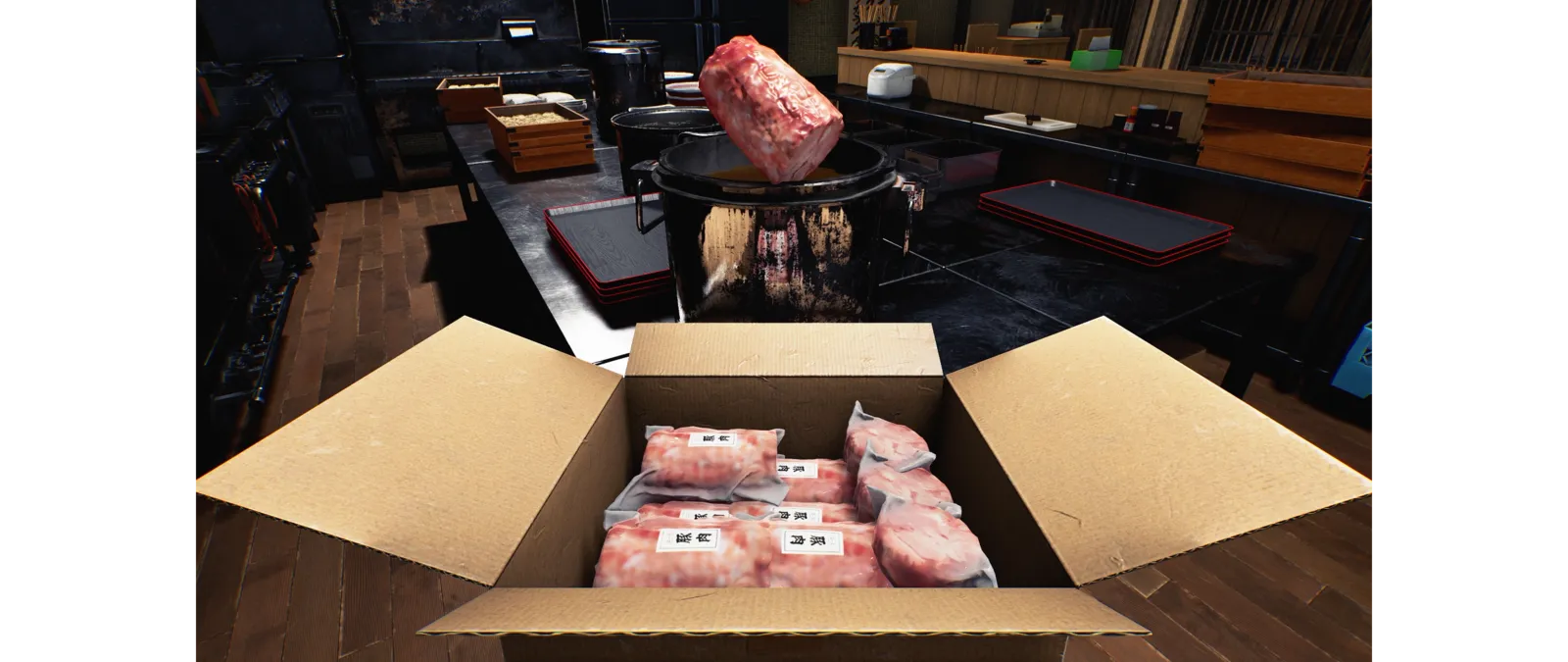
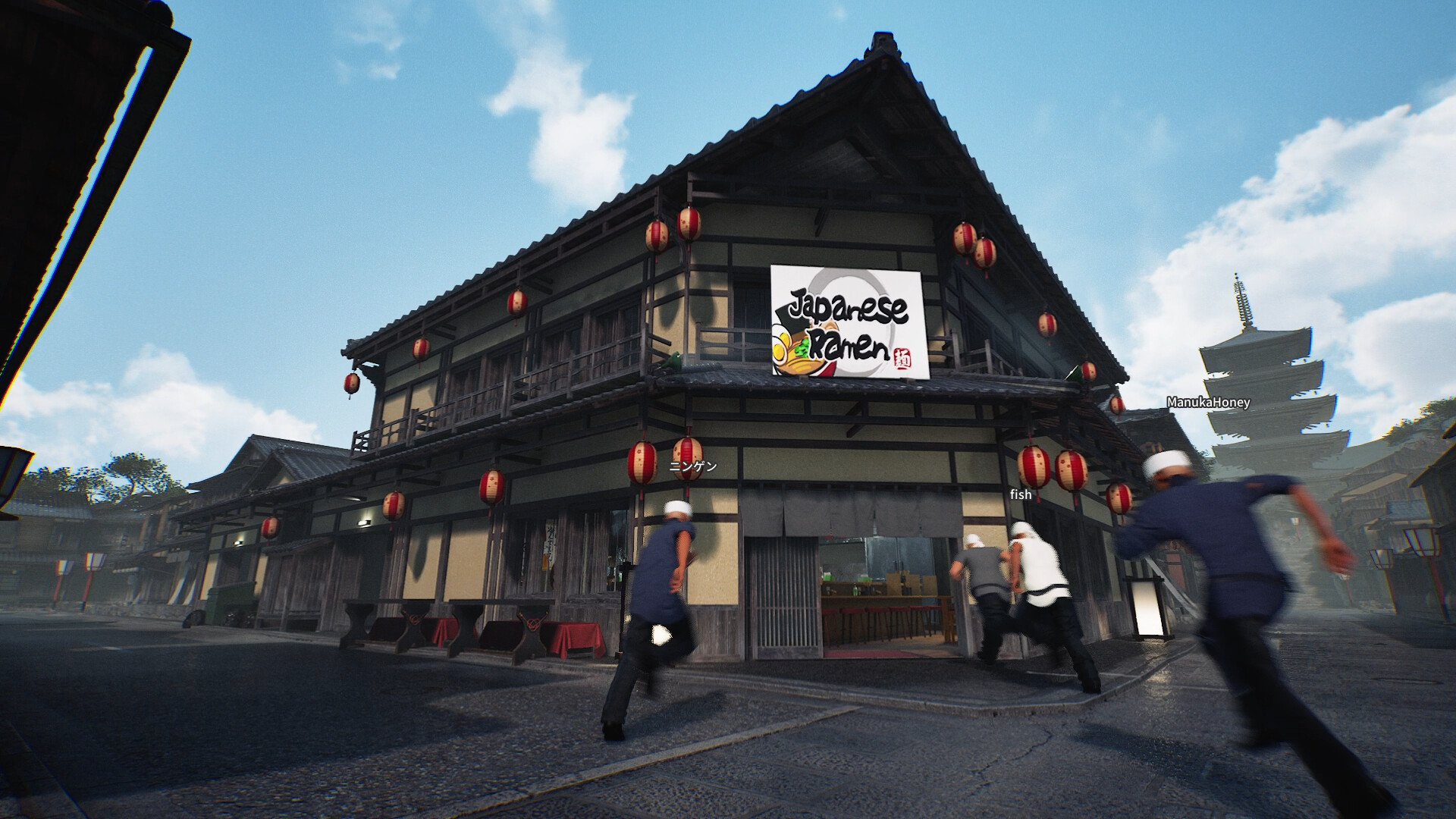
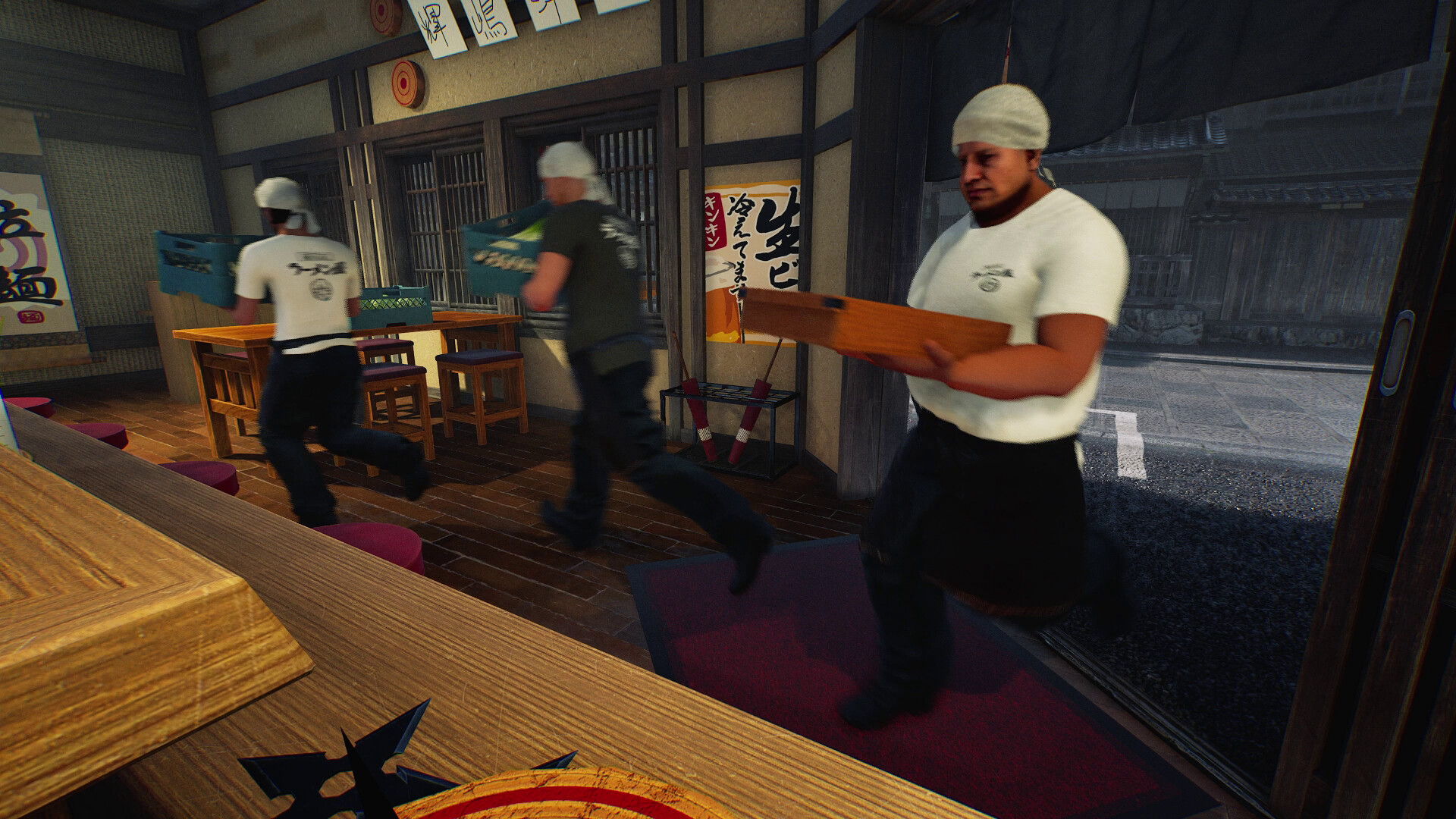
For this feature, we chose a much smaller conflict: two friends who care about their restaurant but disagree about what counts as a finished job. Their names, relationship, conversations and evening are invented. The official pictures show the game’s setting, not these characters or a recorded session. No in-game quest, ending, timed result or measured profit is claimed.
1. The straightest bowl in the shop
Miki had moved the empty bowl three times before Jun said anything. First it sat too close to the counter’s edge. Then too far from the tray. Now its pattern faced the customer squarely, and she was considering whether that looked deliberate or nervous.
“If you move it again, we should charge it rent,” Jun said.
Miki left the bowl alone. She wanted the first person through the door to feel that someone had thought about this place. Jun wanted that person to get a meal while it was still worth eating. They had agreed to open a shop together without noticing that they had agreed to two slightly different shops.
Before opening, Jun pointed to a clear stretch of worktop. “Finished food here?” Miki nodded, distracted by a stack of supplies. Neither asked what “finished” meant. It was such a small word to build an evening on.
2. The promise in the order
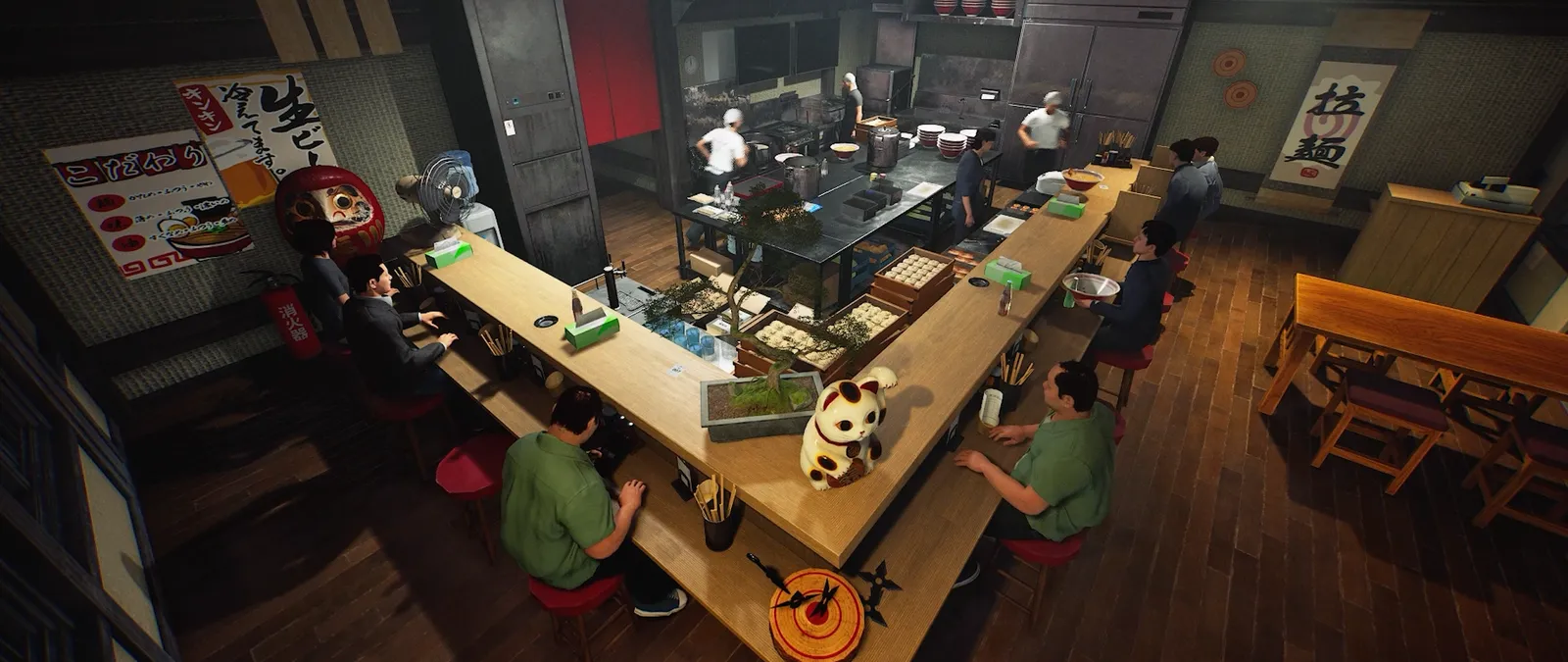
For the first order, their small agreement seemed enough. Miki prepared the bowl. Jun checked the request, collected what was ready and took it to the customer. He returned with a quick nod, and she felt the room become less like a collection of equipment and more like a restaurant.
The next customer wanted a side as well. Jun called it across. Miki answered “Got it” while attending to the ramen, meaning that she had heard the order. Jun heard something larger: she had taken responsibility for the whole meal.
He turned to another customer. She placed the completed bowl in their agreed space. Between them, the missing side acquired no owner. It was written in the request and absent from the work, which made it strangely easy for both of them to overlook.
Miki straightened the bowl so its pattern faced forward. That small gesture felt like finishing. Across the kitchen, Jun saw it sitting there and assumed it was waiting for something she was already making.
3. The bowl nobody served
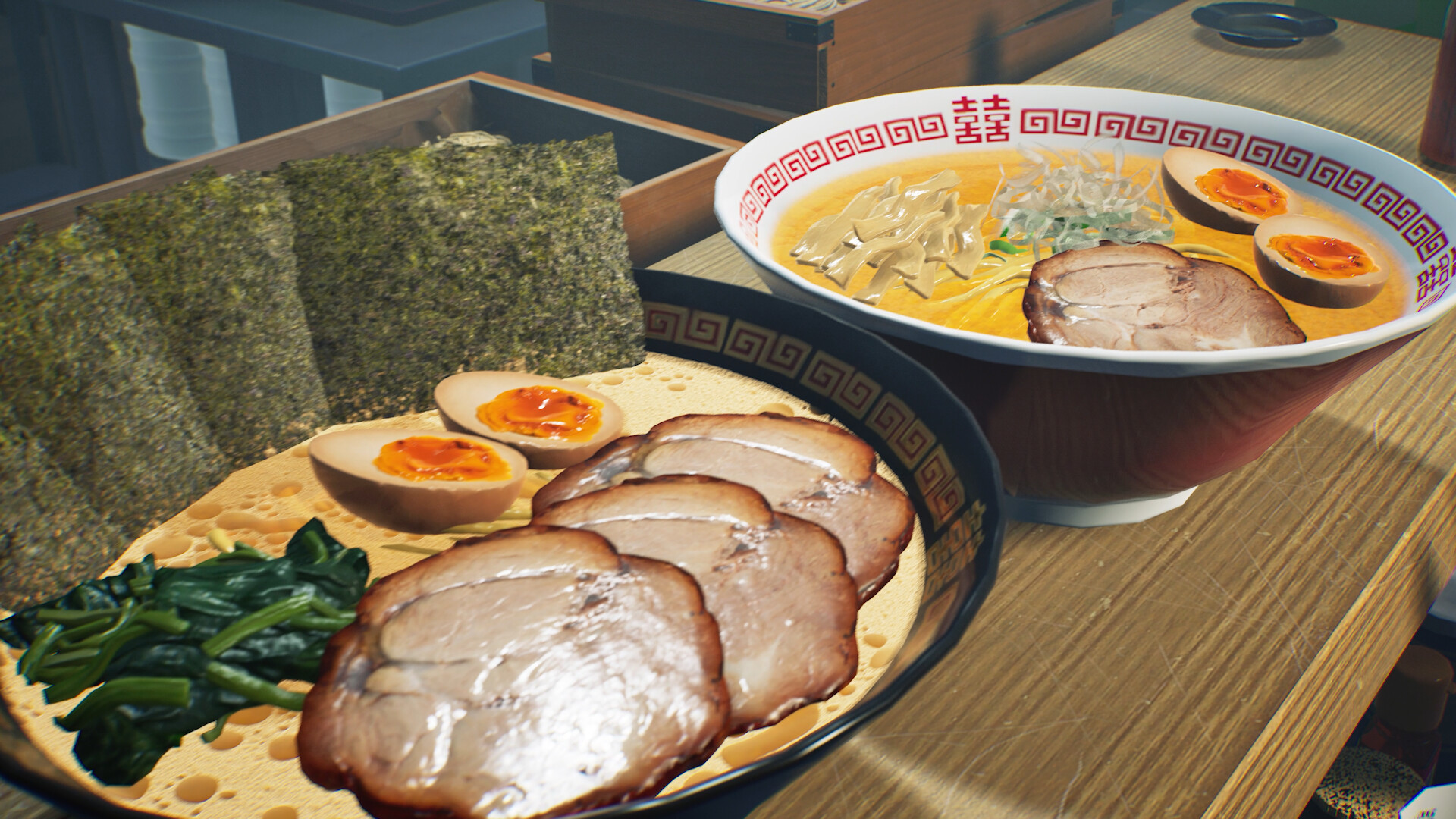
When Jun returned, the bowl was still exactly where she had left it. “Where is the side?” he asked.
Miki looked up. “I thought you were doing it.”
“You said you had it.”
“I said I heard you.”
For a moment the order stopped being about food. Miki heard an accusation that she cared more about appearances than customers. Jun heard a claim that he should somehow be everywhere. Neither sentence had actually been spoken, but both people began answering it.
She reached for the next task just as he did. Their characters crowded the same small area, and Jun moved back. There was nothing dramatic about the mistake: no fire, no thief, no game-over screen. Just a bowl they had both been proud of and neither had served.
Miki put down what she was holding. “Tell me what is missing. Only what is missing.” Jun looked at the order again. This time he named the side rather than the person he believed had forgotten it.
“The bowl is ready. The order is not.” — original fictional dialogue
4. A smaller sentence
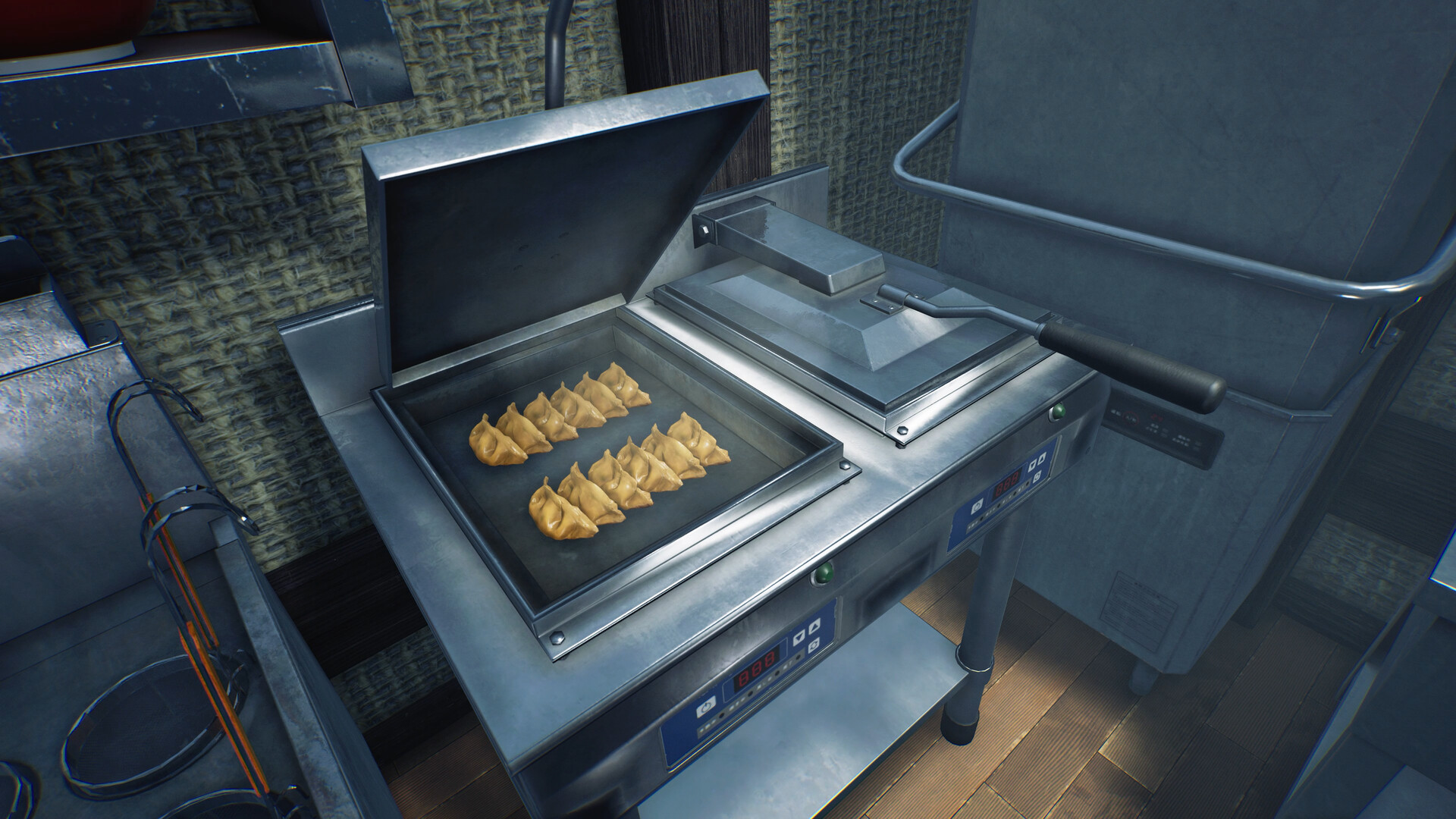
They did not hold a meeting. There was still a customer waiting in their imagined shop. Miki took the missing preparation. Jun stayed with the order, checking what had been requested and keeping the next handoff clear. Neither described the other as the problem.
“Ramen ready; side still mine,” she said.
Jun repeated it back. The sentence was almost embarrassingly ordinary. It also contained the piece their first agreement had lacked: someone still owned the unfinished work.
When the meal was complete, he checked it once more and took it out. Miki watched the empty space it left behind. She had wanted the bowl to look right. For the first time that evening, the most satisfying thing about it was that it was no longer on her counter.
The next order was not magically faster. Jun had to ask again which component was ready. Miki answered before feeling accused. Improvement arrived as a repeatable exchange, not a sudden talent either of them had been hiding.
5. What comes back
Later, Jun brought used dishes back and stopped at the edge of the kitchen. The counter that had looked beautifully clear before opening was now busy with the aftermath of food that had actually reached people.
“Where do these go?” he asked. Miki almost said “There,” pointing to the same stretch of worktop. Then she saw what she was about to do: give one place two jobs and hope the other person would know which she meant.
They chose a separate handoff for used dishes. Jun would collect and sort; Miki would say when she needed help with the next stage. It was not a perfect arrangement or a claim about the game’s fastest layout. It was an arrangement they could explain to one another.
A small embarrassment lingered from the argument. Jun broke it by turning a clean bowl until its pattern faced Miki. “Your very important customer,” he said.
She laughed, finally. The joke worked because he had remembered what mattered to her without turning it into the reason everything went wrong.
6. A note for tomorrow
At the end of their fictional night, they could remember the missed meal more clearly than any successful one. Miki expected that to make the evening feel like a failure. Instead, it gave them something precise to change.
On a note beside her keyboard she wrote: “Say what is ready. Say what is missing. Say who has it.” It was a real-world note in our story, not an in-game item or a newly unlocked objective. Jun added one line: “A good bowl has to leave the kitchen.”
They talked about what they might buy when the shop grew. A machine could take orders; a dispenser could let customers collect their own water. Neither would decide whether the two of them meant the same thing by “done”. That was work they would have to keep doing themselves.
Miki left one clean bowl ready for the next shift, pattern facing forward. Jun did not tease her this time. He checked that the space beside it was clear.
Tomorrow they could make a bigger menu, or try a different division of jobs, or disagree about the entrance curtain. Tonight they had learned how to finish a sentence together. For a shop that had nearly lost an order in the silence between two friends, it was enough of a beginning.
Between shifts: the promise they kept
Before they next played, Jun sent Miki a photograph of a note beside his keyboard. He had copied her three-part handoff: what is ready, what is missing, who has it. Underneath, in smaller handwriting, he had added a fourth question: what comes back?
Miki understood the reference to the used dishes they had nearly mixed with finished food. She sent him a picture of a little colour sketch for the entrance curtain. Neither picture asked the other person to abandon what they enjoyed. They were beginning to make room for both.
Their first evening ends here. Our next story follows a later, Level 15 shop with a new fryer and a deceptively simple plan: make the kitchen more capable without making either friend feel less useful. That level is part of the fictional setup, not a claim about how many shifts levelling takes.
After the story: what you can actually try
Give a handoff three parts: what is ready, what remains and who owns the missing task. Follow one whole order through preparation, delivery and cleanup before adding more complexity. After the session, choose one recurring delay and one change for next time. These are editorial exercises inspired by the story, not compulsory quests.
The current game offers more ways to divide that work than the opening scene uses. The Ticket Machine unlocks at Level 12, the Self-Service Water Dispenser at Level 14 and Karaage equipment at Level 15. Those are published requirements, not items automatically granted on a first night. The 5 November patch also allows collecting finished individual dishes while other items are still being consumed; eligible trays have their own condition. Use the linked guides for those details.
If your own shop produces a funny or difficult moment, keep its real sequence separate from the story you tell about it: what was ordered, which action happened, which build you played and what you changed. Those details make the experience useful to another player without flattening it into a supposed universal strategy.
Story, progress and endings: the questions that matter
Is this the official Japanese Ramen Simulator plot?
No. Miki, Jun, their dialogue and the first-night events are original fiction by Ramen Sim HQ. Official game facts and image sources are identified separately.
Does the game have a fixed story campaign or ending?
The official sources reviewed on 6 November do not specify a fixed campaign plot, chapter count or scripted ending. That is a limit of these sources, not proof that no narrative content can exist.
Do I need two players to follow this idea?
No. The game supports solo play with hireable staff and online groups of up to six. The two-person story is one fictional framing.
Can I install all the new equipment on the first night?
Do not infer that from fiction. The published requirements are Level 12 for the Ticket Machine, Level 14 for the water dispenser and Level 15 for Karaage equipment.
Sources, version and editorial scope
Updated 9 November 2026 from Wild Dog’s 6 November mini update, v0.1.74.19895, 5 November content update, v0.1.73.19851, and 30 October networking and staff update. These are developer-reported changes; our suggested routines are editorial advice.
Earlier feature and background sources: Wild Dog’s 28 October update, v0.1.63.19293, the official Steam store description and the developer’s game overview. The patch text was retrieved from the official Steam news API; its publication timestamp is 28 October, 12:11 UTC.
The game premise and named systems above come from these sources. The fictional narrative and reflection prompts are our own fiction and commentary. We found no description of a fixed campaign plot, chapter count or scripted ending in these sources; that is a limit of the evidence, not proof that no narrative content can exist. Send a correction with a source and build.