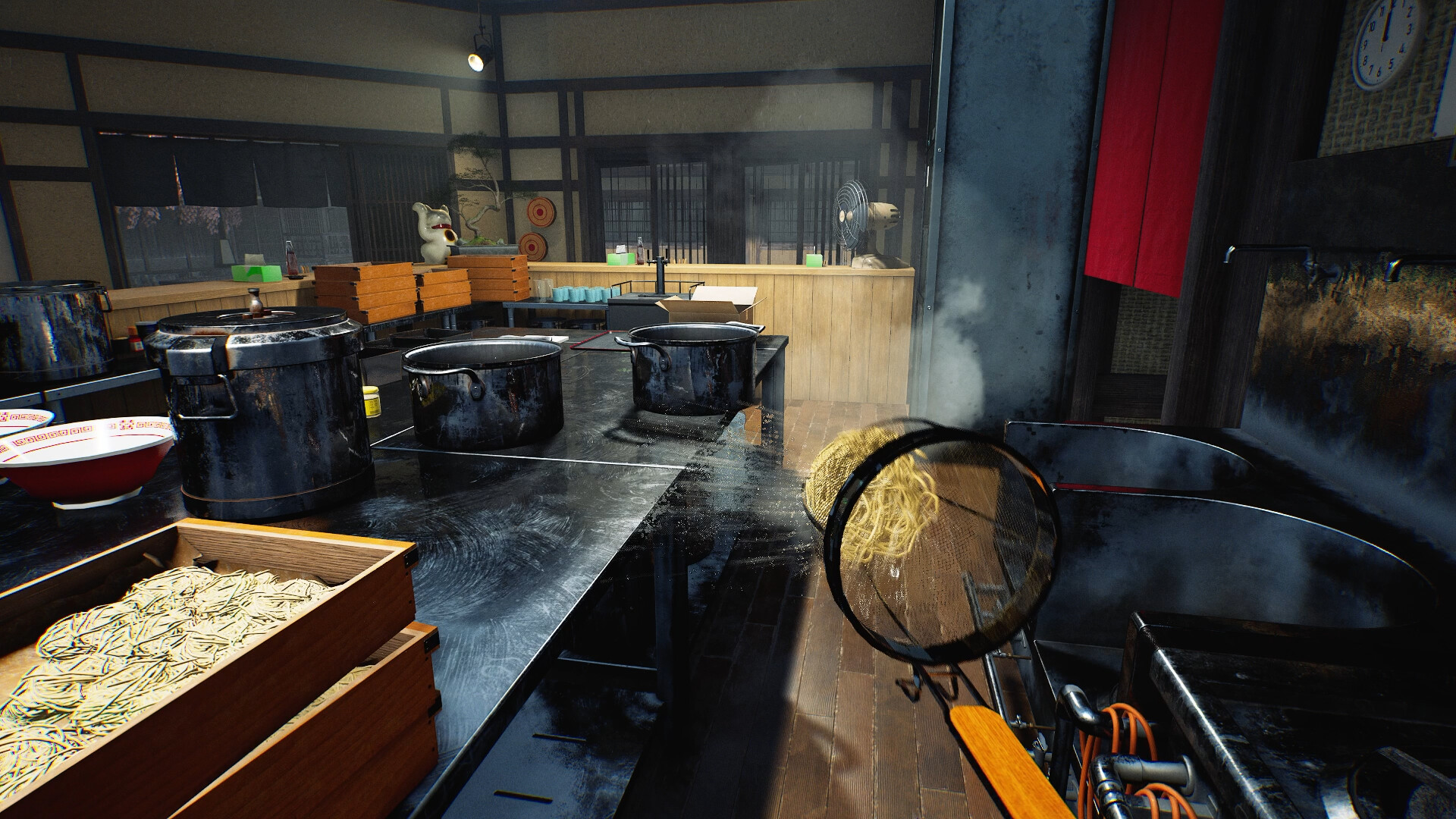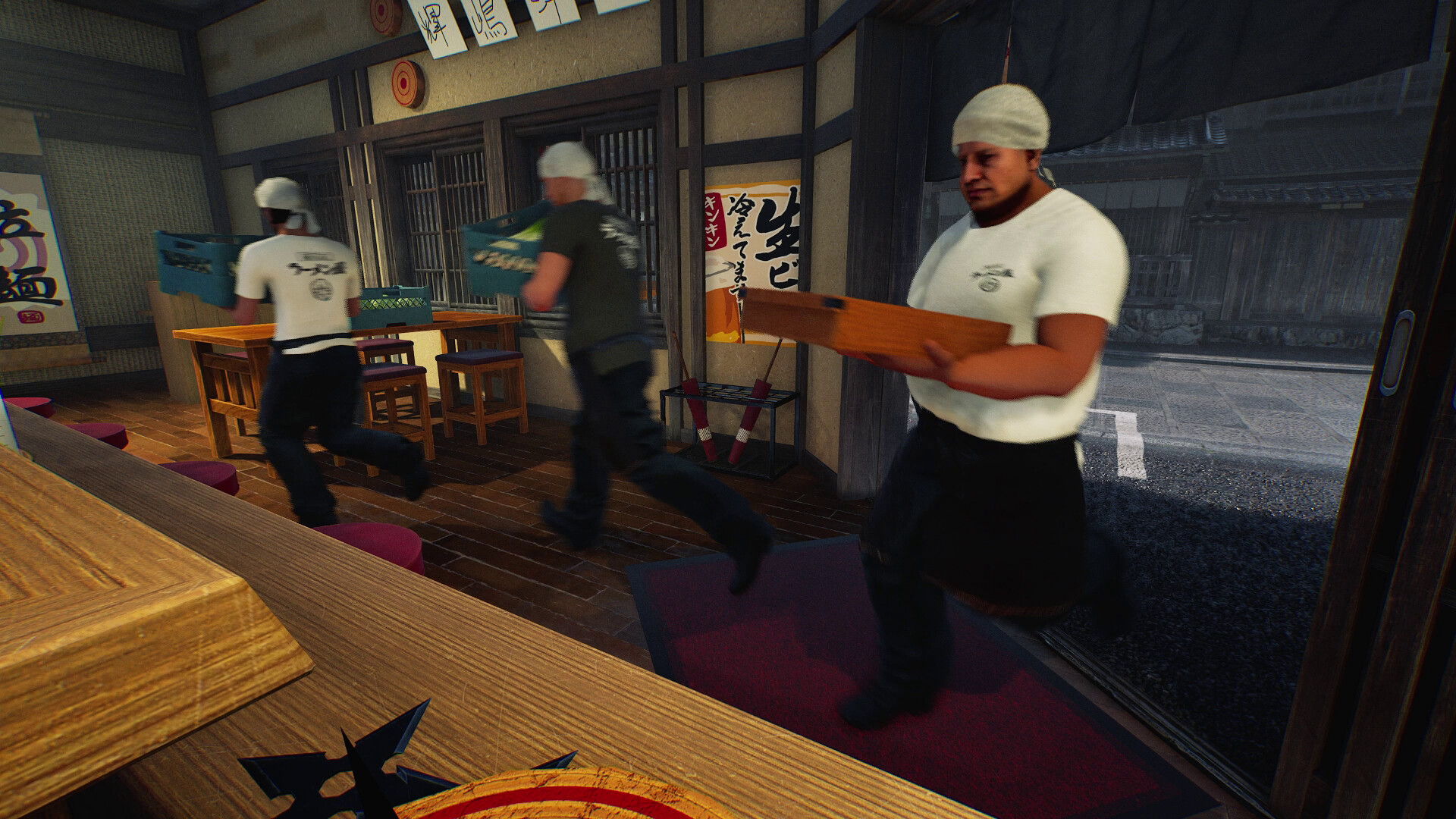
The announced events and tools.
Wild Dog’s announcement describes critic visits, thieves targeting the cash register and sudden fires. It names shuriken and fire extinguishers among the tools for dealing with trouble.
What is known, and what still needs a game check?
| Event | Confirmed in the official description | Not established by that description |
|---|---|---|
| Fire | Fires can interrupt business. Fire extinguishers are among the named response items. | The trigger, warning, tool location, operating controls, duration and consequences. |
| Theft | Thieves target money in the cash register. The event section names shuriken among the tools. | The thief’s appearance or route, amount lost, hit requirements, stopping sequence and whether money is recoverable. |
| Ramen critic | A demanding critic can visit. Aroma, umami and toppings are the stated considerations. | Arrival conditions, exact order, evaluation formula, passing threshold, recipe or reward. |
Sources: Wild Dog’s event announcement and Steam’s “Expect the Unexpected” section. Neither supplies a tested sequence of actions for these events. The sections below explain how to make an encounter useful evidence without filling those gaps with guesses.
Fire: separate the first sign from the cause
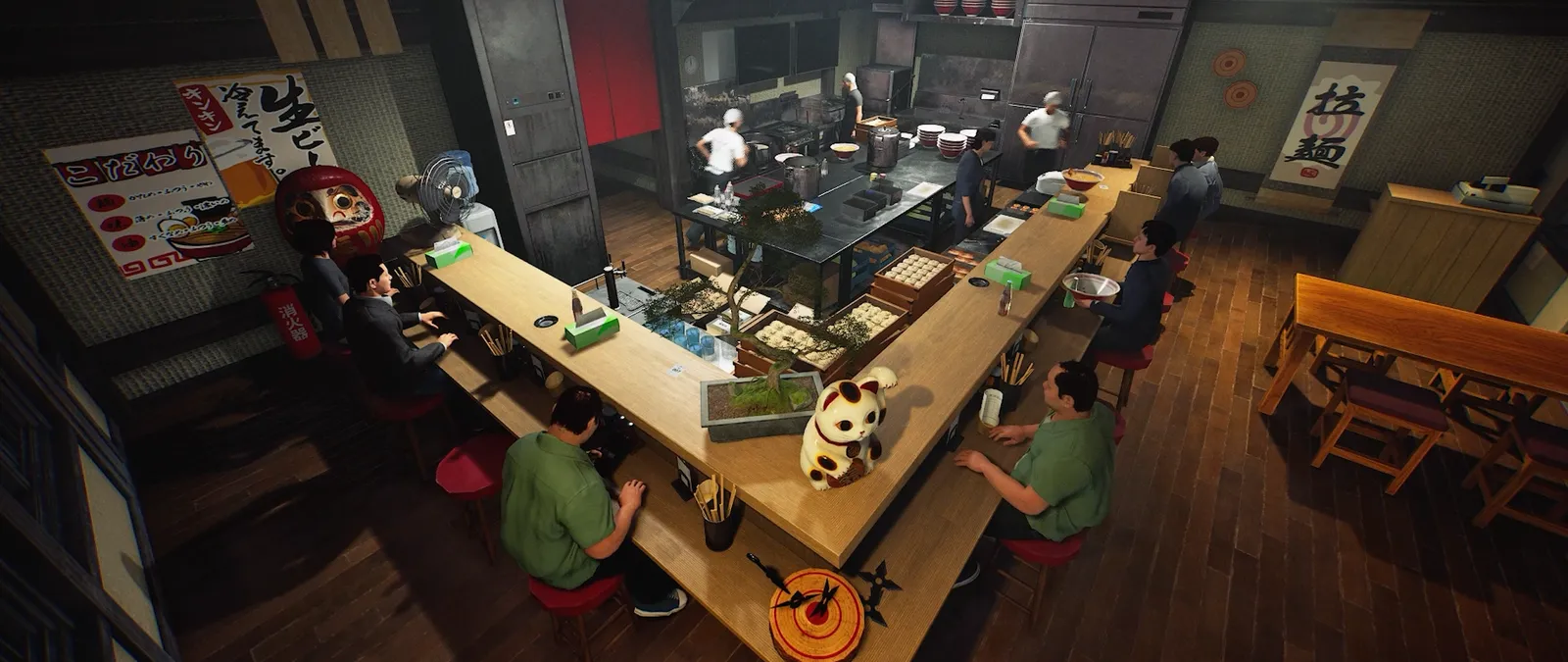
The developer names a fire extinguisher, but the public description does not tell you how a fire starts. If one appears near a cooker, record the position and what happened beforehand. Its location alone does not establish that cooking caused it.
For a useful fire record, note the first visible sign, the tool you selected, the exact interaction prompt if one appears, and what changed after your action. Include the tool’s location in that shop rather than presenting it as a universal spawn point. If the fire disappears while another person is acting, record both actions; you have not isolated which one ended it.
This keeps three observations distinct: where the problem appeared, what you did, and what happened next. A later comparison can investigate the trigger or response without turning the first encounter into an unsupported rule.
Theft: follow the register, action and money separately
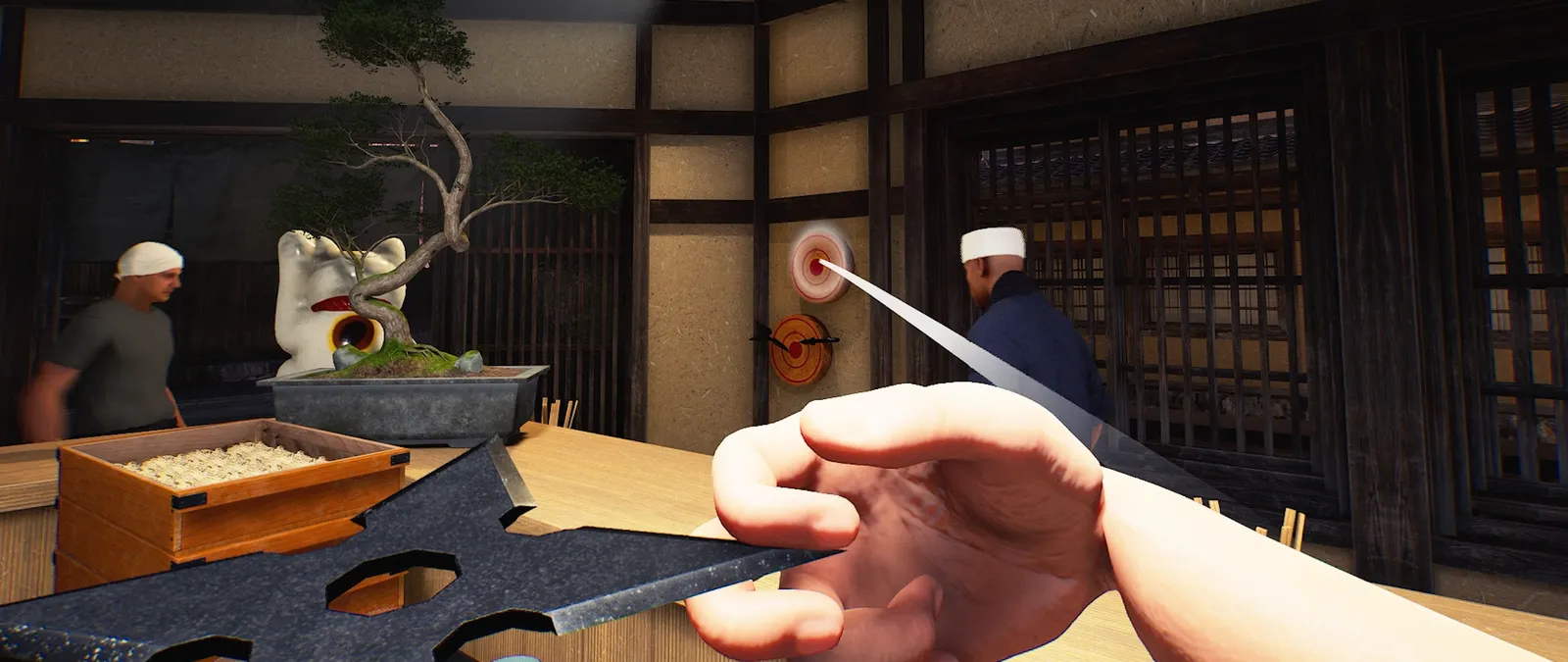
Wild Dog identifies the cash register as the thief’s target. The shuriken image is an object reference; it does not establish a successful hit, recovery of money or a required number of throws.
Day 1 fix: Wild Dog reports correcting a bug that prevented a thief from being repelled by clicking after leaving the shop with stolen money. See the v0.1.48.17626 notes. This establishes a versioned interaction fix, not a guaranteed money-recovery amount. Separately, the 15 October update adds a built-in thief ON/OFF control in World Settings.
Record what made you identify the visitor as a thief, what you saw at the register and what happened after your response. If a money total is visible, note it before and after the encounter along with any other transactions you noticed. The difference between two balances cannot be called the theft amount when other money movements happened between them.
Keep the visitor leaving, the attempted theft stopping and money returning as separate possible observations. Record only what the game actually shows; one does not automatically prove the others. That distinction makes a future prevention or recovery guide much more useful than a claim that a tool simply “works”.
Critic visits: keep the bowl and its feedback together
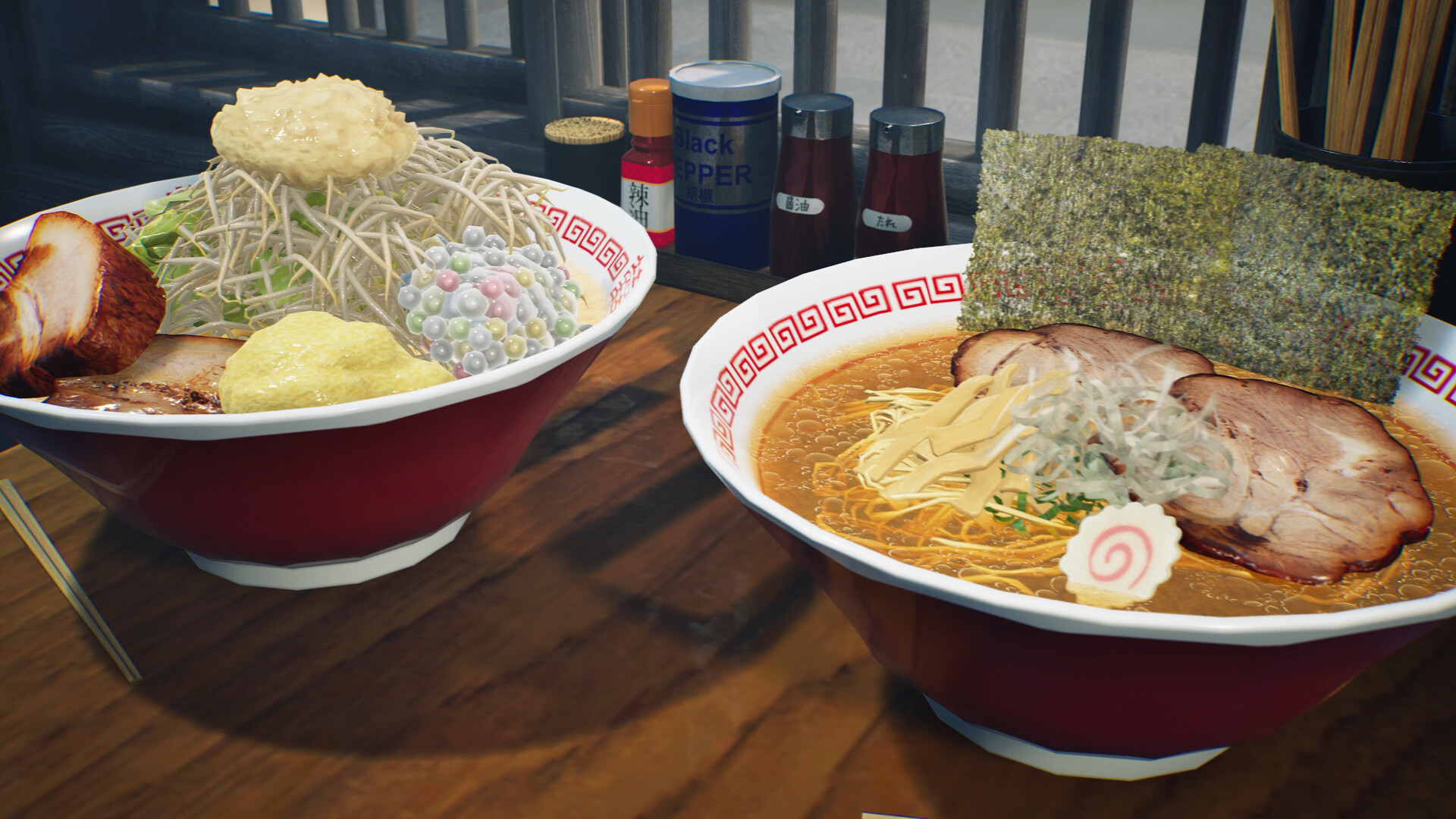
The critic description identifies aroma, umami and toppings. It does not supply a preferred dish. A picture of elaborate toppings therefore gives you a presentation reference, not a solution to a critic’s visit.
When can I invite a critic? The Day 1 notes say critics can be invited before opening for business, and add an explanatory message when an invitation is unavailable. The same notes change topping instructions to appear while you hold an ingredient. They do not publish a winning recipe.
Record how the game identifies the critic, any request that is actually shown, the ingredients and arrangement you serve, and the feedback you receive. Copy feedback wording accurately. If a score appears, preserve its label and scale instead of interpreting an unlabeled number as a universal pass mark.
For a later comparison, choose one part of the bowl to change and keep a record of the rest. An ingredient change and a topping rearrangement are different experiments. One favourable result supports that one attempt in its recorded circumstances; it does not identify the best recipe or reveal the evaluation formula.
The cooking reference separates the developer’s flavour, temperature, texture and presentation considerations. Use it to name the part you changed without assuming every consideration has the same weight for a critic.
Make one encounter worth recording
Use this sequence when an event occurs in a build you can play. It is a way to document the encounter, not a tested event solution or an instruction to trigger trouble.
- Fix the context. Note the date, game version if visible and whether you are playing solo or with others. Keep the shop conditions that could matter to your question.
- Identify the starting evidence. Record the first visible sign or exact message. For a suspected event, say what made you identify it instead of upgrading the suspicion to a fact.
- Keep the action in order. Note the tool, target and actual prompt or input used. Include another player’s intervention if it overlaps with yours.
- Record the visible result. Capture the change or message you saw. Use “not observed” for a result you missed, such as money recovery or the end of a fire.
- Write one question for next time. Choose the missing observation that would most improve the answer. Avoid changing several things at once and then attributing the result to one of them.
Date and version · Solo or group · Event and first evidence · Relevant shop or order details · Actions in order · Visible result or exact feedback · Other changes and anything not observed.
Complete the note when another reader can tell what happened before your action, what you did and what you actually observed afterwards. A screenshot can preserve a prompt or result; a short sequence is more useful when the order of actions matters.
Review what your record can support
| What you have | A reasonable conclusion | What remains to check |
|---|---|---|
| One encounter with a clear action and result | A report of that encounter in that build. | Whether the result repeats in comparable conditions. |
| Several things changed during the encounter | A sequence of observations. | Which action mattered; do not assign the result to one change yet. |
| Different outcomes from comparable attempts | The proposed explanation is incomplete. | Order details, shop state, other interventions and version differences that could distinguish the attempts. |
If you send a correction to this wiki, include the affected page and supporting record. We need enough context to distinguish a useful finding from a guess; a result that contradicts the guide is worth reporting too. Keep ordinary job assignments in the shift planner so the event note stays focused on what happened.
Sources & next steps
The event facts and named tools come from Wild Dog’s announcement and the official Steam description, rechecked on 30 September 2026. The developer’s screenshot gallery supplies the restaurant and shuriken images; the menu picture is from Steam. These pictures do not show completed event responses.
The observation checklist and review table are our editorial contribution. We have not tested a release build or supplied event triggers, controls, rates, losses or scoring rules as established facts.